
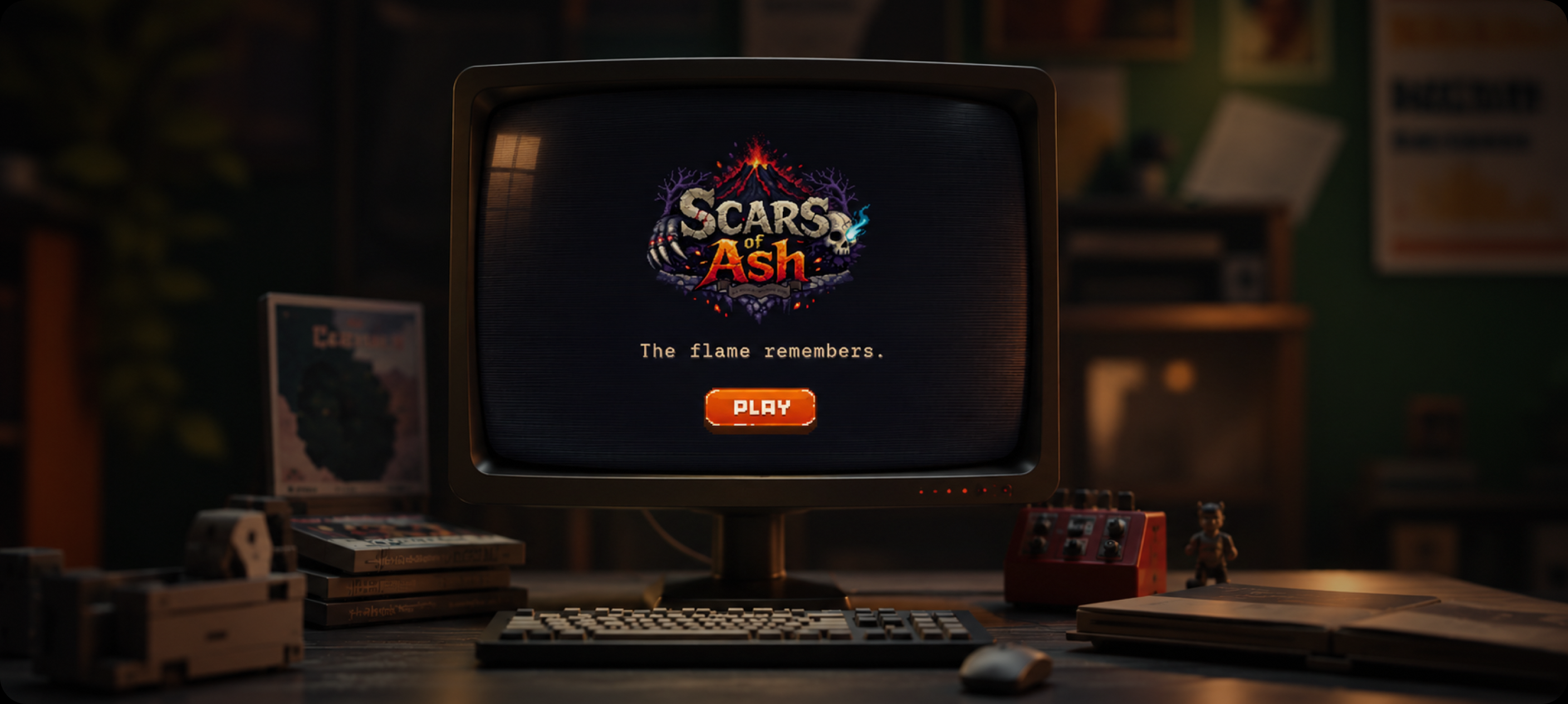
GAME UX DESIGN · INTERACTION DESIGN · WEB GAME
Scars of Ash - The flame remembers. Every defeat leaves a mark.
A browser-based creature collector where every defeat leaves a mark, every soul has a price, and every trip away from the bonfire is a gamble.
A side quest into game design, interactive storytelling, creature mechanics and the tiny details that make an experience feel alive.
 Play the Game

01 — The Side Quest
A little curiosity, a rather ambitious idea.
Not every project needs a brief, a client or a problem statement.
I wanted to step outside my usual UI/UX workflow and explore something I hadn't really designed before: a game.
I've always been interested in experiences that make you feel something, and games are probably one of the best examples of that. They combine visuals, storytelling, interactions and decisions into one continuous experience.
So I started experimenting with a simple idea: combine creature collecting with Soulslike difficulty.
And that's how Scars of Ash came to life.
- Game UX
- Interaction design
- Playable experiment
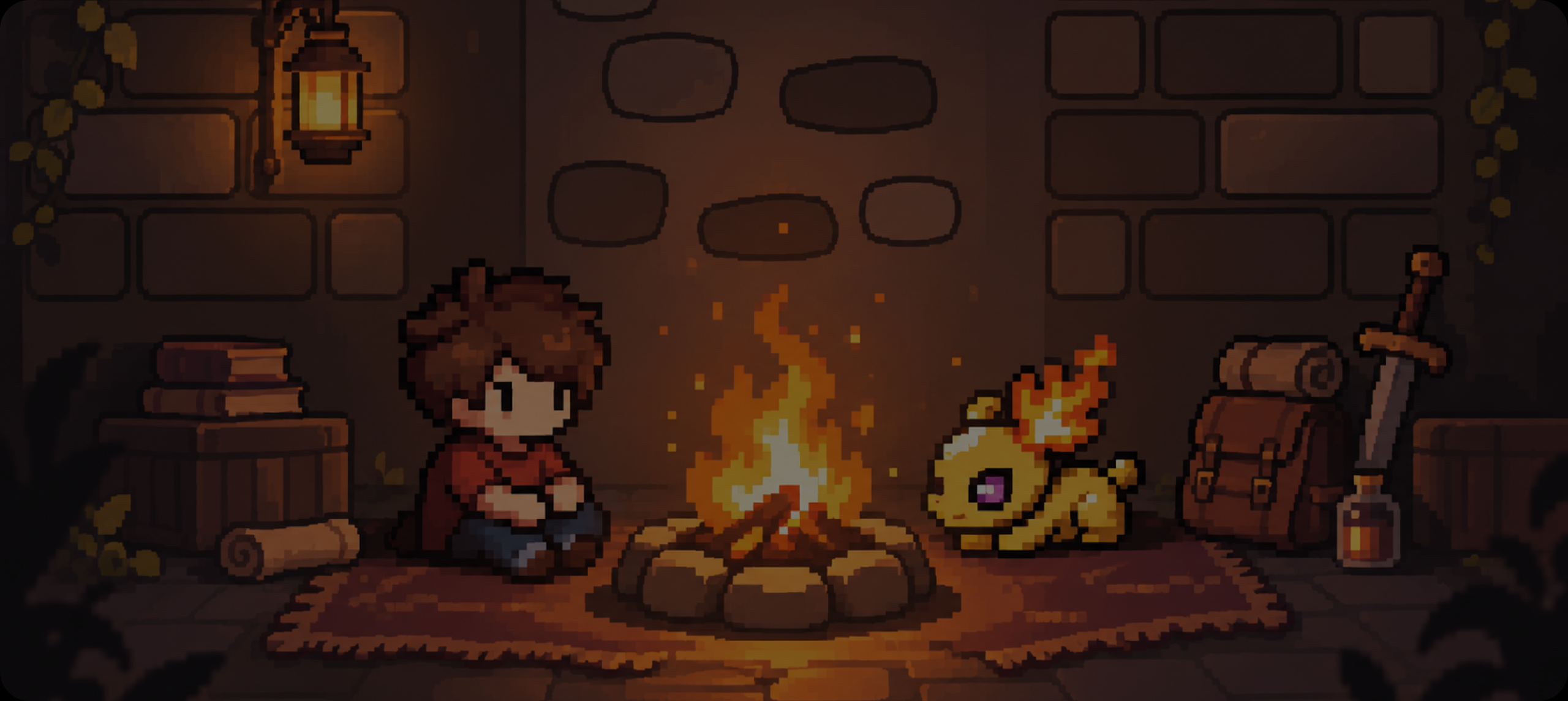
02 — THE CONCEPT
What if your creatures remembered every defeat?
The idea was simple: build a creature-collecting RPG where losing a battle doesn't simply mean starting over.
In Scars of Ash, when a creature faints, it gains a permanent scar associated with how it died.
But scars aren't entirely negative. Each one introduces a disadvantage alongside a unique benefit.
That creates an interesting trade-off: failure changes how you play instead of simply taking something away.
The central design idea:
Your creatures don't just grow stronger through victories. They change through their failures.
03 — THE RULES OF PLAY
Every decision comes at a cost.
Before thinking about individual screens, I wanted to understand what would keep players moving forward.
The game revolves around a repeating loop of exploration, combat, resource collection and recovery. But the interesting part is that every action affects the next one.
The central design idea:
Your creatures don't just grow stronger through victories. They change through their failures.
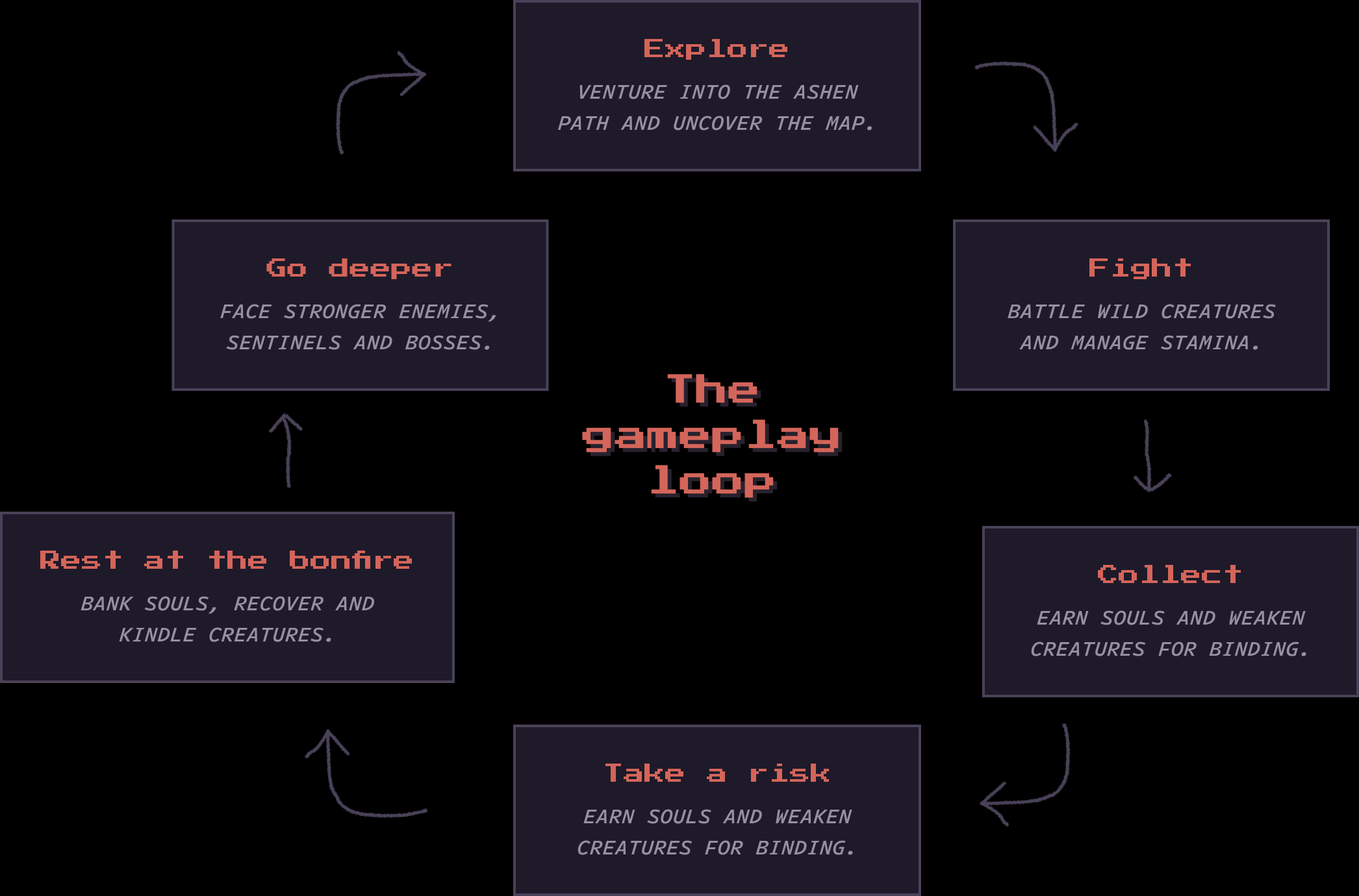
The bonfire dilemma
One mechanic I particularly enjoyed exploring was the relationship between resting and risk.
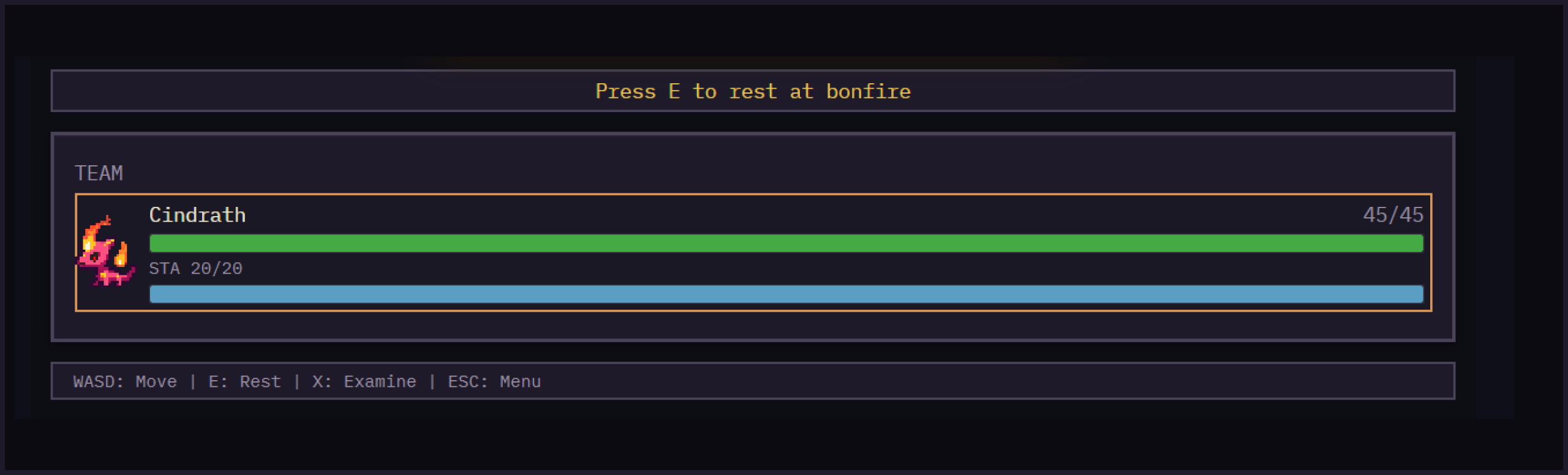
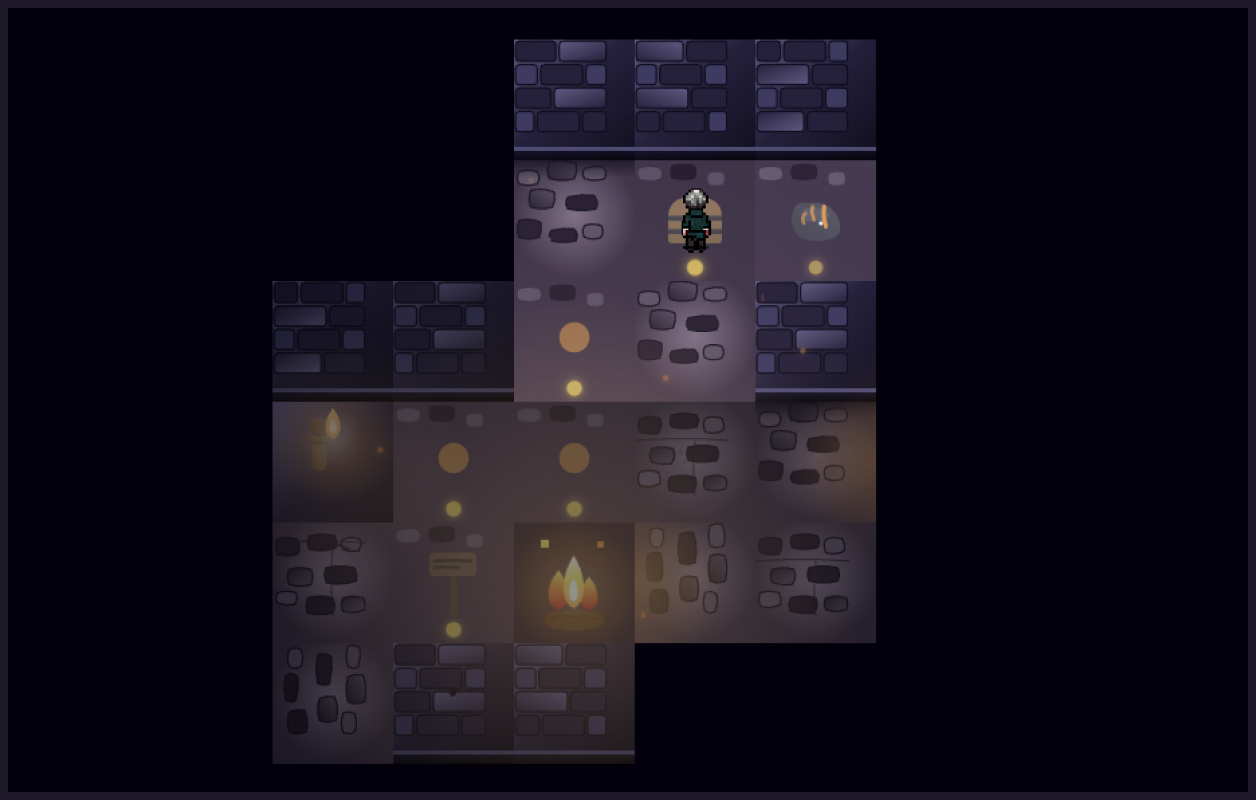
Bonfires are checkpoints, but resting comes with a price: enemies respawn.
Players must choose between:
- Continuing with their accumulated souls and risking losing them.
- Returning to safety, banking their souls and resetting the surrounding enemies.
I liked that the game doesn't always give players an obviously correct decision.
04 — THE SCAR SYSTEM
Failure leaves a mark. Sometimes, an advantage too.
This became my favourite mechanic in the experiment.
Instead of treating defeat as a simple loss of health or progress, I wanted it to become part of the creature's identity.
There are ten different scars, each associated with a particular way of dying. Every scar introduces a wound and an upside.
This creates an interesting design relationship:

The wound
A permanent disadvantage associated with how the creature died.

The upside
A situational advantage that creates a new tactical possibility.
I wanted players to look at a scar and think about how it might change their strategy, rather than immediately seeing it as something to remove.
It also creates an interesting progression system: the same creature can develop differently depending on the experiences it survives.
05 — THE DETAILS · SMALL THINGS, BIG IMPACT
It's the little things that make it feel alive.
I wanted the world to feel responsive, discoverable and unpredictable.
Here are some of the smaller systems I experimented with.
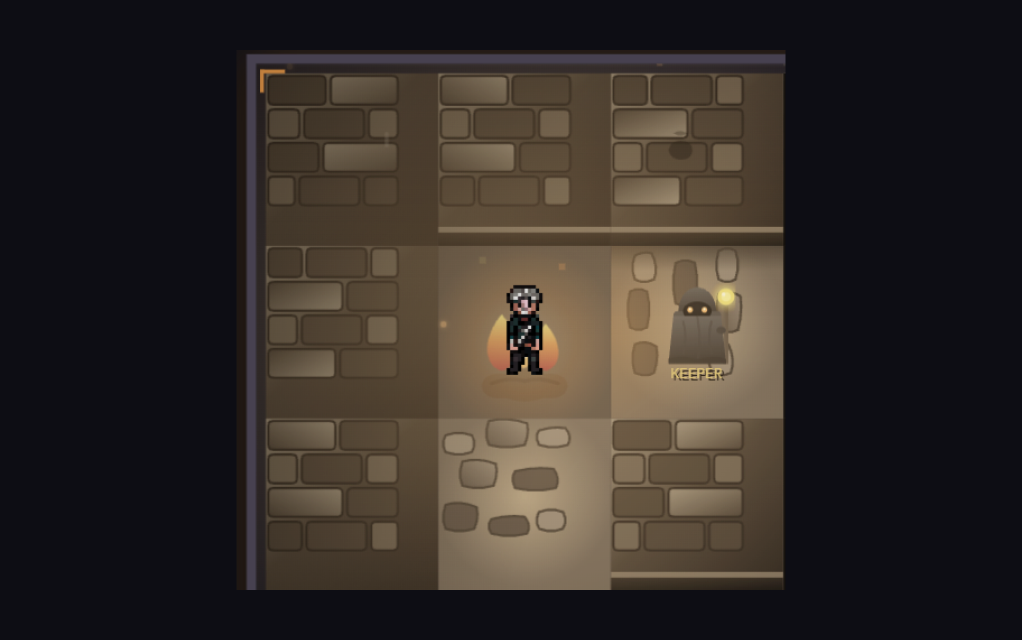
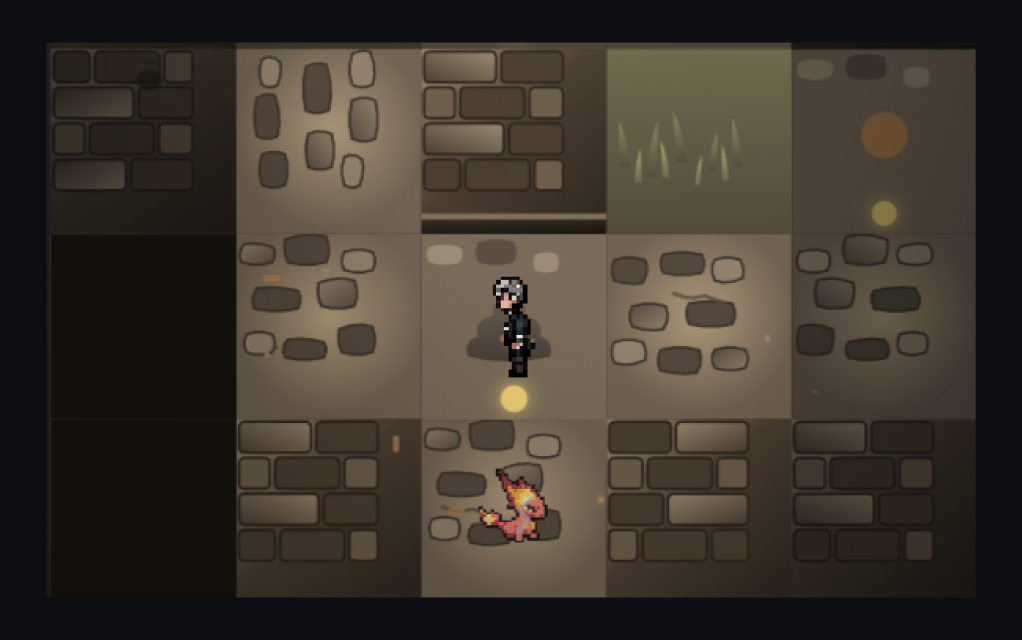
A world that reveals itself
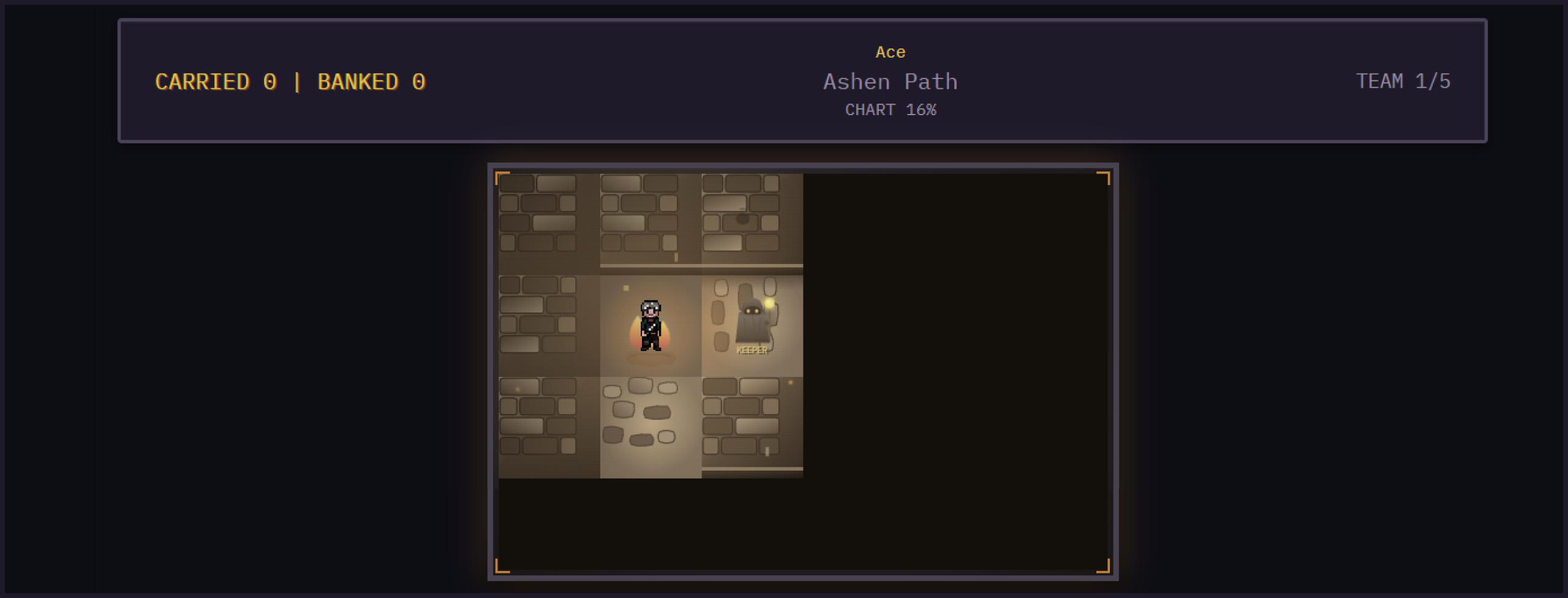
Maps begin covered in fog. Every committed step reveals the surrounding 3×3 area. Previously discovered areas remain visible but dimmed.
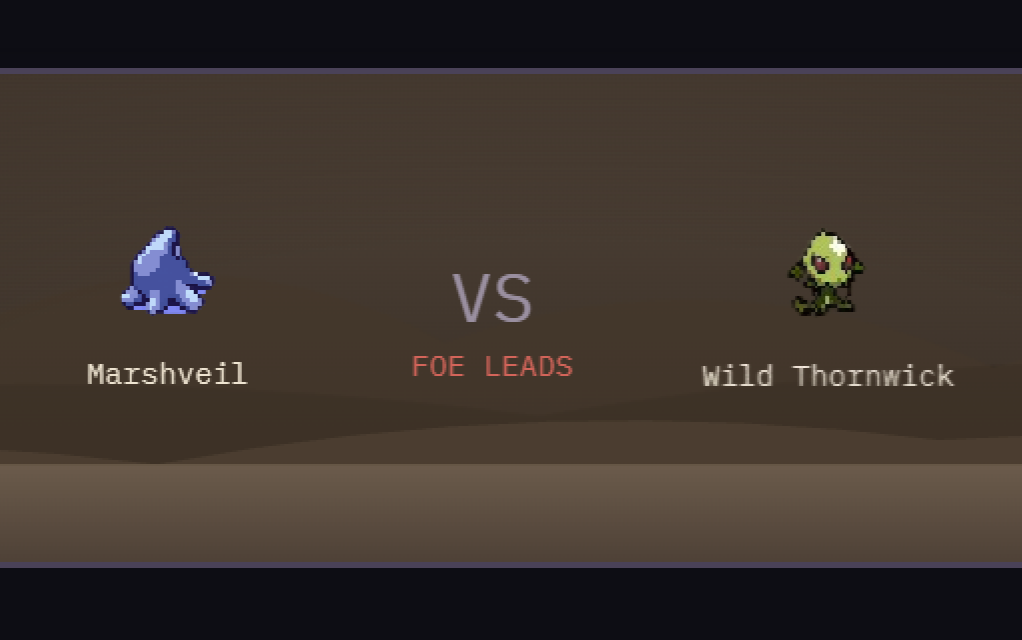
Enemies that don't just wait around
FOEs patrol specific routes and chase players when they enter their detection range.
Learning through visual warnings
Bosses telegraph signature attacks one full turn before impact. An incoming warning gives players a chance to guard.
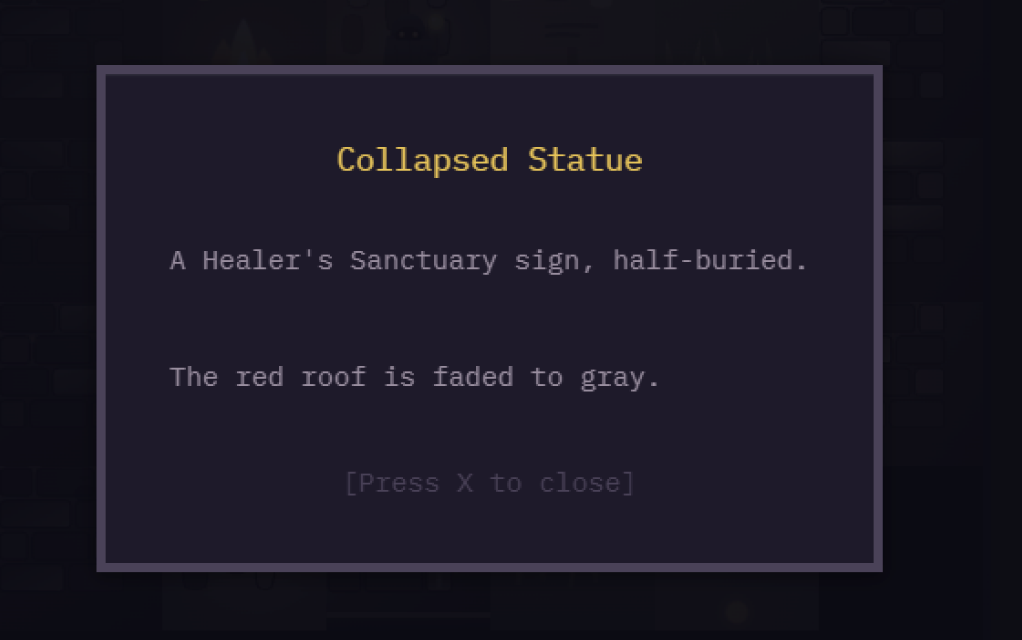
The world remembers you
Previous deaths can leave a ghost at the location of the player's last fall. Broken difficulty also records fallen characters in the Hall of the Fallen.
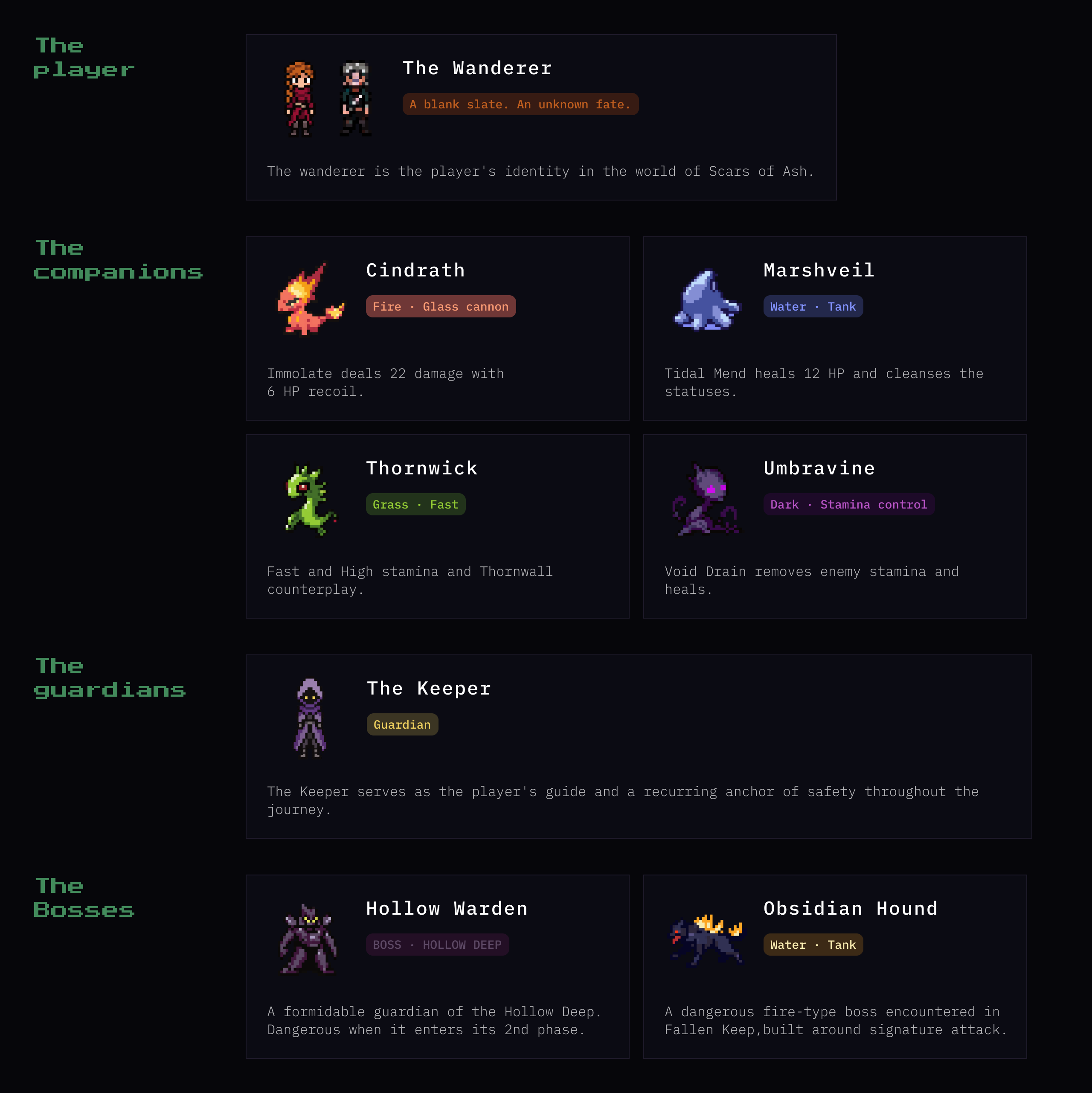
06 — THE CHARACTERS
Meet the survivors.
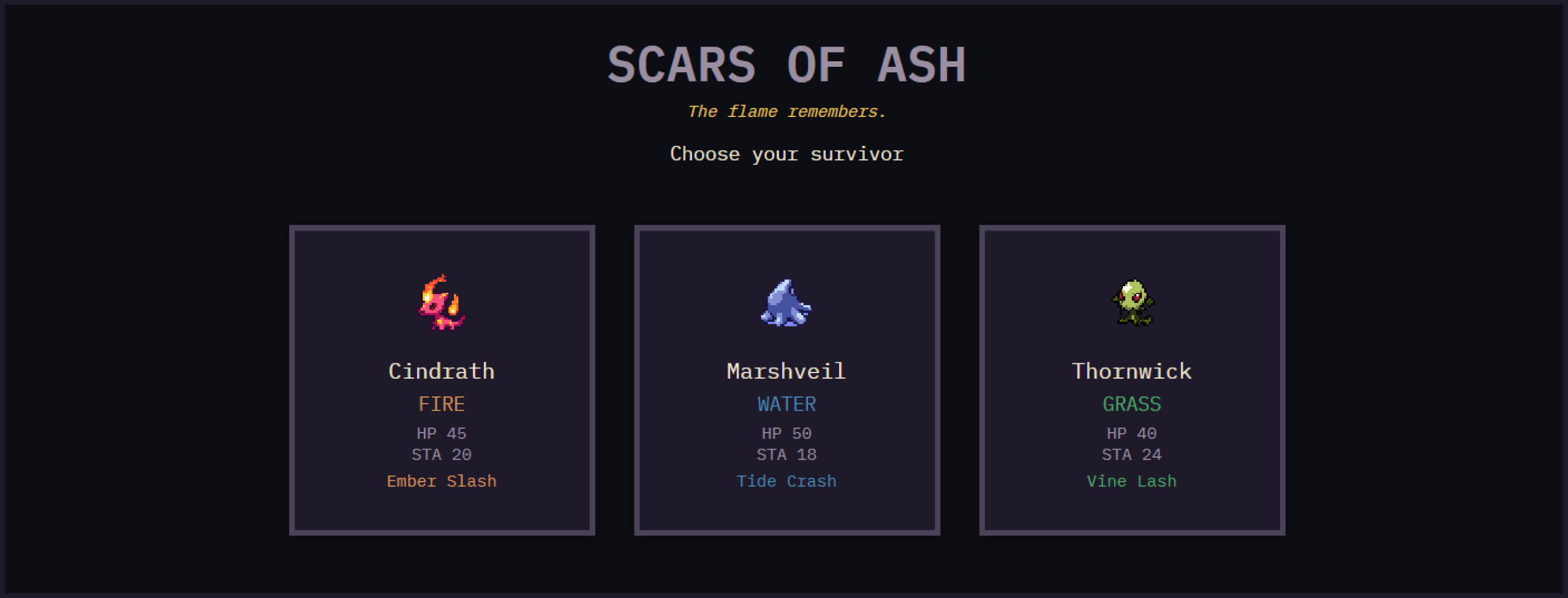
From the wanderer setting out on the Ashen Path to the creatures fighting alongside her, every character has a role to play.
07 — THE INTERFACE
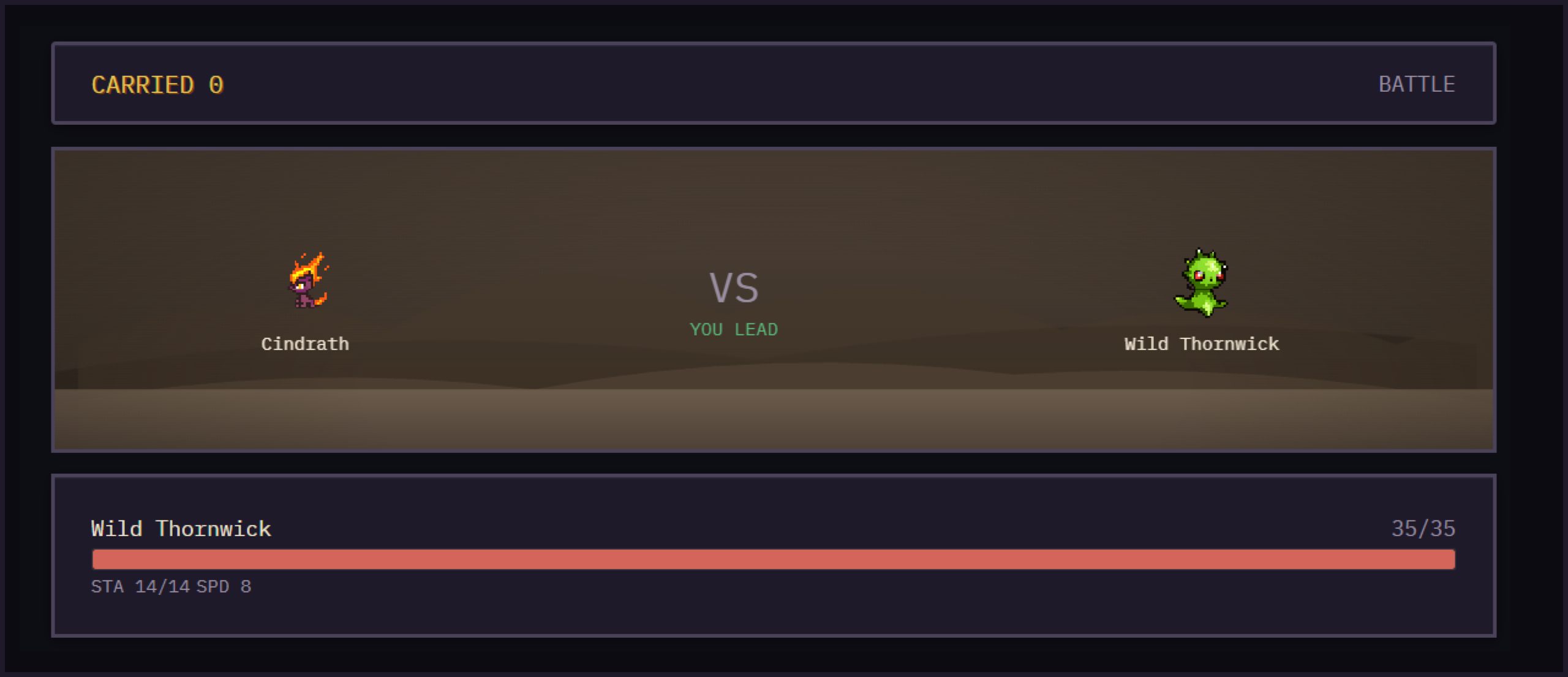
Making the rules visible without breaking the atmosphere.
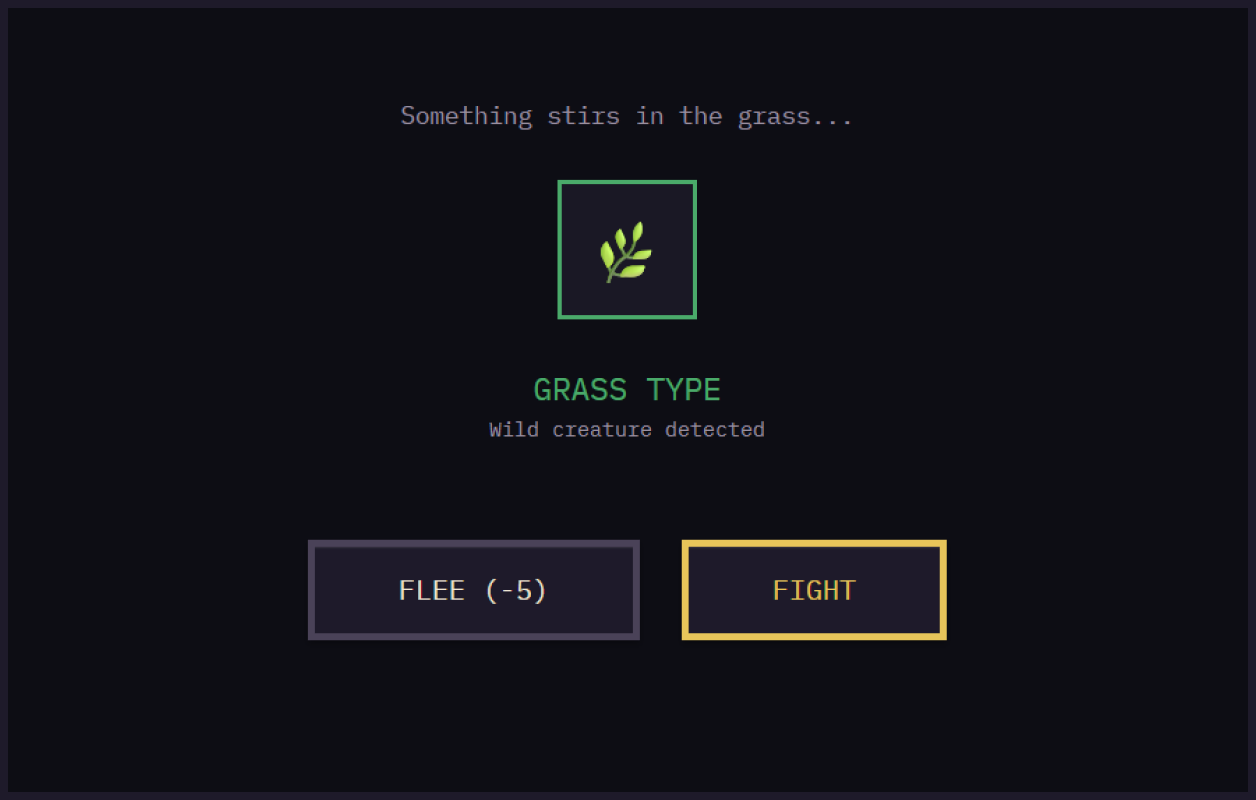
The game has several systems operating simultaneously, so communicating information clearly became an important part of the experience.
I focused on making important gameplay states understandable while keeping the visual language connected to the world.
08 — KEY TAKEAWAYS
Turns out, designing games is a different game.
This project pushed me to think beyond individual screens and explore how a complete interactive system behaves.
A few things I took away:
- Systems are connected.
A small change to stamina, currency or creature stats can influence multiple parts of the gameplay experience.
- Feedback is part of the experience.
Warnings, visual states and interaction responses influence how players make decisions.
- Balance is a design problem too.
A mechanic can sound exciting in isolation but become frustrating or exploitable when combined with other mechanics.
- Storytelling can live inside functionality.
Naming, system messages, interactions and even a map marker can contribute to the personality of a world.
- Making something playable changes how you think.
Static screens can communicate an idea, but implementation reveals details that are difficult to anticipate until everything starts interacting.